
Why a Short Walk in Nature Calms the Mind

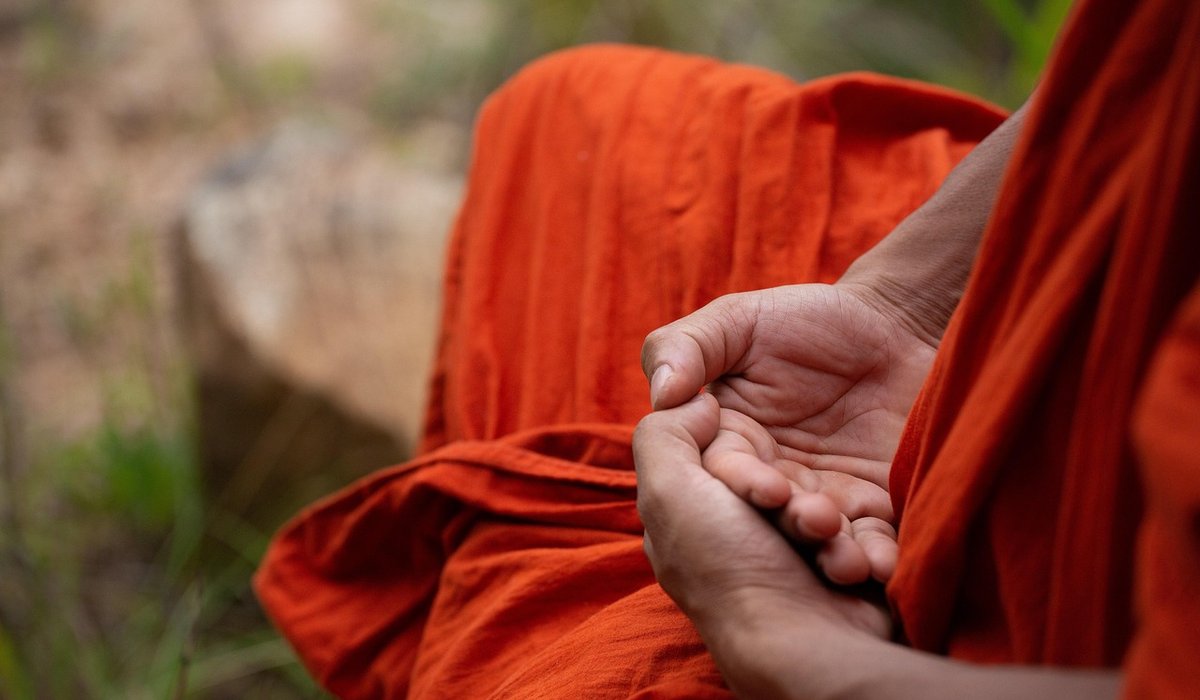
You don't need a weekend in the wilderness to feel the benefits of nature. A short walk—even fifteen minutes around the block or through a local park—can shift your mental state in ways that last for hours. The key is not distance or difficulty, but the quality of your attention.
What Happens in Your Brain When You Step Outside
When you walk among trees or beside water, your senses engage differently. The visual complexity of leaves, the sound of birds, the feel of cool air—these gentle stimuli activate what researchers call "soft fascination." Unlike the sharp, urgent focus demanded by screens and deadlines, soft fascination holds your attention lightly, giving your prefrontal cortex a rest.
At the same time, your body responds. Cortisol, the primary stress hormone, begins to drop. Blood pressure and heart rate often follow. You might notice your breathing deepens without effort. This isn't a luxury; it's a physiological reset that your nervous system craves. Even a ten-minute dose can lower rumination—the repetitive, negative thinking that fuels anxiety and low mood.
Why Even Ten Minutes Helps
Many people believe that nature only works if you hike for miles or sit in silence for an hour. Not true. A short walk is enough to interrupt the stress cycle. The act of moving your body, combined with a change of scene, breaks the loop of worry. You don't need to solve anything. You just need to step away.
Think of it as a micro-practice. Ten minutes after lunch, five minutes between meetings, or a slow loop around the block before dinner. The benefits accumulate. Regular short walks can improve mood, sharpen concentration, and even boost creativity. They also build a habit: the more you do it, the easier it becomes to reach for your shoes instead of your phone.
How to Make the Most of a Short Nature Walk
You don't need special gear or a remote location. A local park, a canal path, a tree-lined street, or a garden will do. The aim is to be present, not to cover ground. Here are some practical ways to turn a brief stroll into a mindfulness practice:
- Set an intention, not a distance. Decide to notice three things you can see, two you can hear, and one you can feel. This anchors you in the present moment.
- Slow down deliberately. Walk at a pace that feels unhurried. If you're rushing, you're missing the point. Let your steps be natural and relaxed.
- Engage your senses one at a time. Spend a minute just listening. Then a minute just feeling the air on your skin. Then a minute watching movement—leaves, water, clouds.
- Leave your phone in your pocket. If you need it for safety, keep it silent. Resist the urge to check messages. This is your time to disconnect.
- Pause at a favourite spot. Find a bench, a bridge, or a view. Stand or sit for two minutes. Let the scene wash over you without needing to analyse it.
- Breathe with the rhythm of your steps. Inhale for three steps, exhale for four. This simple pattern calms the nervous system and keeps your mind from wandering.
When You Can't Get to Green Space
Not everyone has easy access to trees or water. That's okay. Nature is not limited to forests and lakes. A window box, a courtyard with a single tree, or even a view of the sky can offer the same gentle reset. If you're stuck indoors, try these alternatives:
- Look out of a window for two minutes. Focus on something natural—a bird, a cloud, the movement of branches. Let your gaze soften.
- Bring nature inside. A small plant on your desk, a vase of flowers, or a bowl of stones can serve as a visual anchor for calm.
- Listen to natural sounds. Rain, birdsong, or a stream can be played softly. Close your eyes and let the sound carry you.
- Walk a different route. Even in a city, you can notice the sky, the weather, and the changing seasons. Nature is always present; you just have to look.
A Small Habit with Big Returns
The beauty of a short nature walk is its simplicity. It costs nothing, requires no special skill, and fits into almost any schedule. Yet the rewards are profound: lower stress, clearer thinking, and a greater sense of connection to the world around you. Over time, this small habit can become a cornerstone of your everyday wellbeing.
Start today. Choose a time, put on your shoes, and step outside. Notice the air. Notice the sounds. Notice how your mind begins to settle. You don't need to do it perfectly. You just need to begin.

Joeby Ragpa
This template is so awesome. I didn’t expect so many features inside. E-commerce pages are very useful, you can launch your online store in few seconds. I will rate 5 stars.
ReplyAlexander Samokhin
This template is so awesome. I didn’t expect so many features inside. E-commerce pages are very useful, you can launch your online store in few seconds. I will rate 5 stars.
ReplyChris Root
This template is so awesome. I didn’t expect so many features inside. E-commerce pages are very useful, you can launch your online store in few seconds. I will rate 5 stars.
Reply